


Your Nervous System Is Overwhelmed. Here's What Actually Helps.

September arrives and suddenly everything is full again. The school run, the diary, the mental load that somehow doubled over summer. Your body goes from zero to relentless and your nervous system — which has been quietly holding everything together - starts to crack.
You know the feeling. The sleep that doesn't refresh you. The irritability that arrives before you've even had coffee. The tension in your shoulders that lives there permanently now. The sense of being switched on even when nothing is actually happening.
That's not weakness. That's a nervous system stuck in survival mode. And it's more common right now than at any other point in recent years.
Here's what's actually going on - and what genuinely helps.
What your nervous system is actually doing
Your autonomic nervous system has two settings. Sympathetic - fight or flight, your emergency response - and parasympathetic - rest and digest, your recovery mode. Modern life keeps most of us locked in sympathetic dominance. We're designed to sprint from danger and then recover. Instead we're sprinting from everything, all the time, with no real recovery in between.
The physical signs are everywhere. Tight jaw. Shallow breathing. Poor sleep. Digestive issues. Skin that's reactive. A body that has forgotten how to relax even when it's finally lying still.
The good news is that your nervous system is not broken. It's responding exactly as designed. And it responds just as readily to safety signals as it does to threat signals. You just have to know how to send them.
What the science actually says works
Slow, rhythmic touch
Slow, rhythmic touch activates nerve fibres that signal safety to the brain - which explains why a good massage makes your shoulders drop and your breathing slow down, often within minutes. This isn't relaxation as a luxury. It's your parasympathetic nervous system being switched on through physical input. Regular massage is one of the most direct, evidence-based ways to get your body out of chronic fight-or-flight - which is why I'd argue it belongs in the category of health maintenance, not treat.
The vagus nerve
The vagus nerve is your body's main parasympathetic pathway - running from your brainstem through your neck, chest and abdomen. When it's well-toned, you recover from stress faster, sleep better and feel more emotionally regulated. You can stimulate it directly through slow exhalation, humming, cold water on the face, and - importantly - massage to the neck and upper back where the nerve runs closest to the surface.
Breathwork
The quickest, free, always-available nervous system tool you have. Extending your exhale longer than your inhale - even just breathing in for 4 counts and out for 6 - activates your parasympathetic system within seconds. Do this before you get out of the car, before a difficult conversation, before bed. Your nervous system responds immediately.
Morning sunlight
Sharp rises in searches for nervous system regulation, sleep hygiene and mindfulness-based practices are shaping the wellness landscape of 2026. Morning sunlight is the anchor that ties all of it together - regulating cortisol, setting your circadian rhythm and improving the quality of sleep that makes everything else possible. Ten minutes outside before you look at your phone. That's it.
Movement — but the right kind
When your nervous system is dysregulated, high-intensity exercise can spike cortisol further. Walking, yoga, swimming and weight training — done consistently rather than frantically - are significantly more regulating than pushing through exhaustion. Move every day. Not to burn calories. To move the stress through your body rather than letting it sit.
What you eat first thing
Cortisol is naturally highest in the first hour after waking. Coffee on an empty stomach amplifies that further. A small amount of protein and water before your coffee buffers the cortisol spike, stabilises blood sugar and sets a calmer physiological tone for the day. Small change, significant difference.
Practical things you can do this week
Add one slow exhale breath before you open any app in the morning
Get ten minutes of outdoor light before 9am - even if it's just standing at the back door
Eat something small before coffee - a handful of nuts, some yoghurt, anything with protein
If you grind your teeth or wake with a tight jaw - press gently into the masseter muscle just in front of each ear for 60 seconds before bed. The tenderness tells you how much tension is living there
Book a massage. Not when things get bad. Now, as maintenance
A note on massage specifically
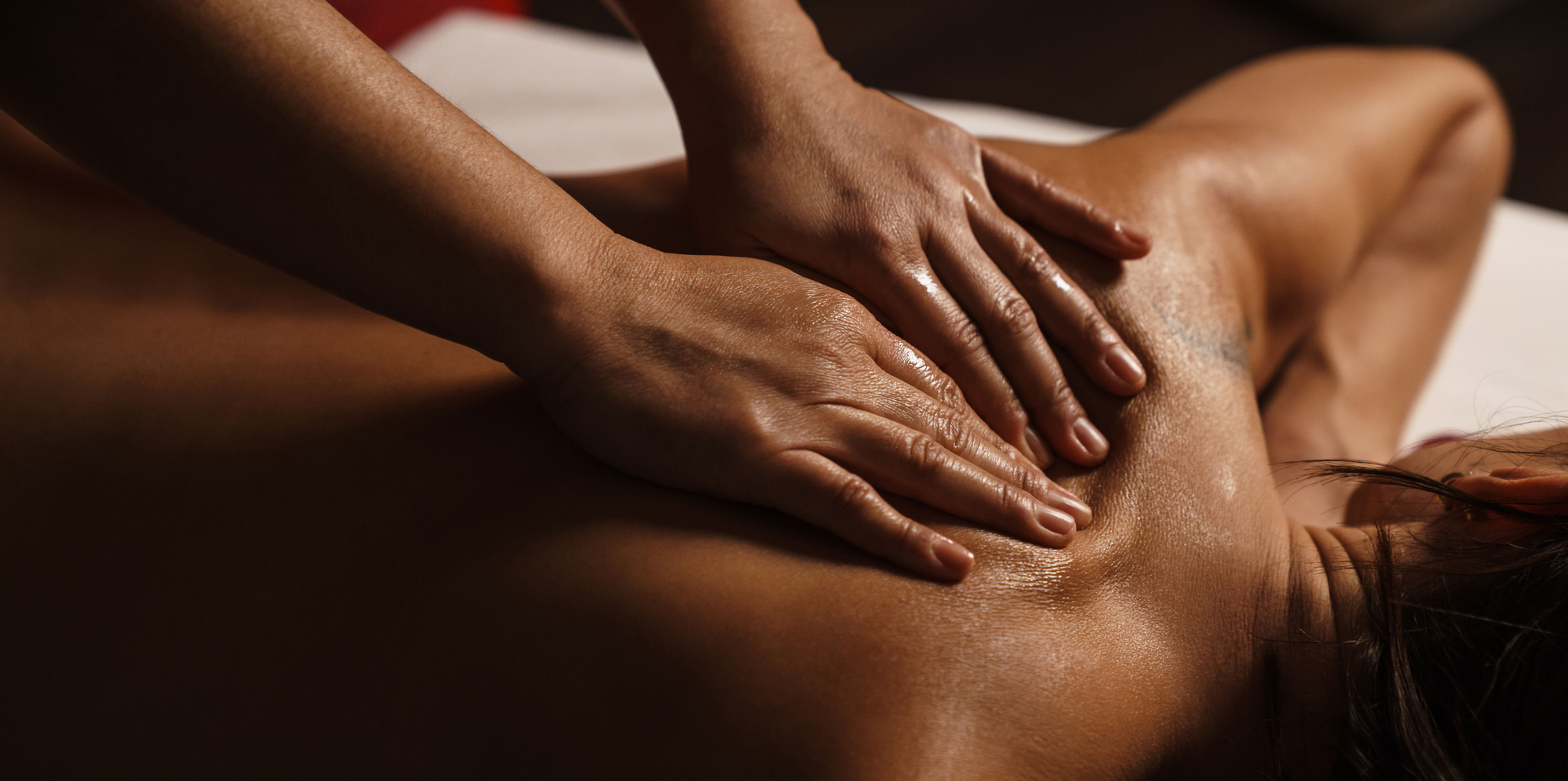
I see the physical cost of chronic stress in my treatment room every single week. Necks that won't release. Shoulders that have lived by the ears for so long it feels normal.
Massage isn't just about muscle tension. It's one of the most direct ways to shift your body out of sympathetic dominance - giving your nervous system an hour of unambiguous safety signals.
I have availability this week at The Tree Room in Easton, Tuesday to Thursday during school hours, and at Serenity salon in Horsford on Friday.
If your body has been asking for this — this is the moment. Book at norwichmassagecompany.com or call 07795 071606.
Maria Mortimer ITEC FHT | Norwich Massage Company | Deep tissue, Swedish and natural face lift massage | Horsford, Norwich


Comments